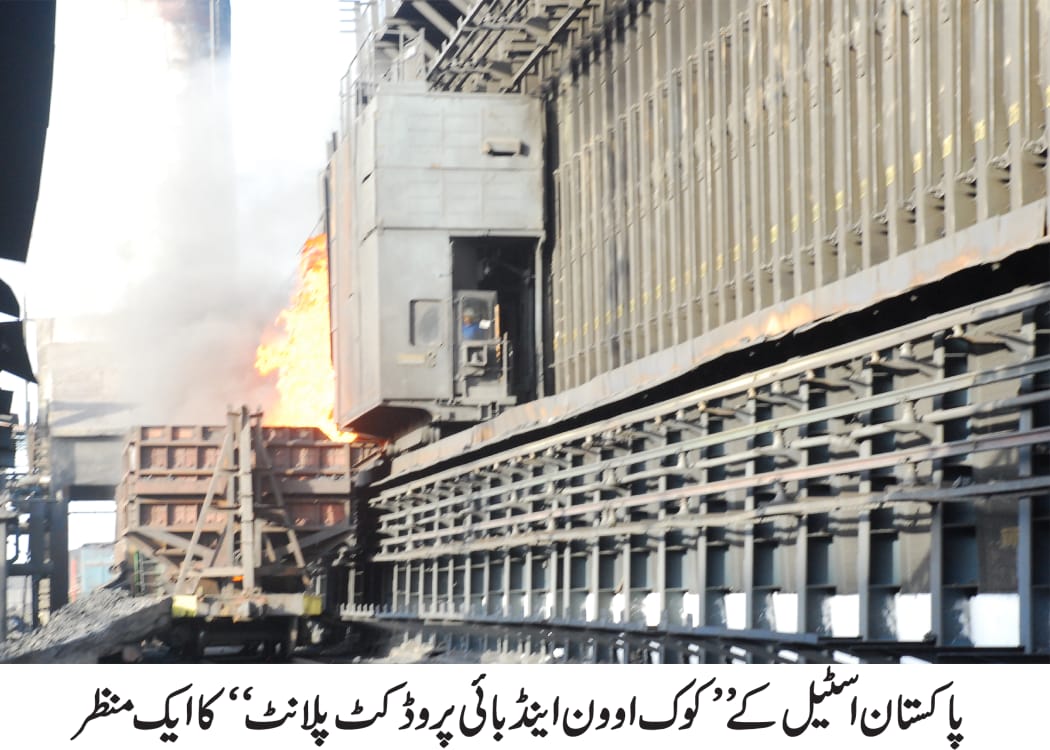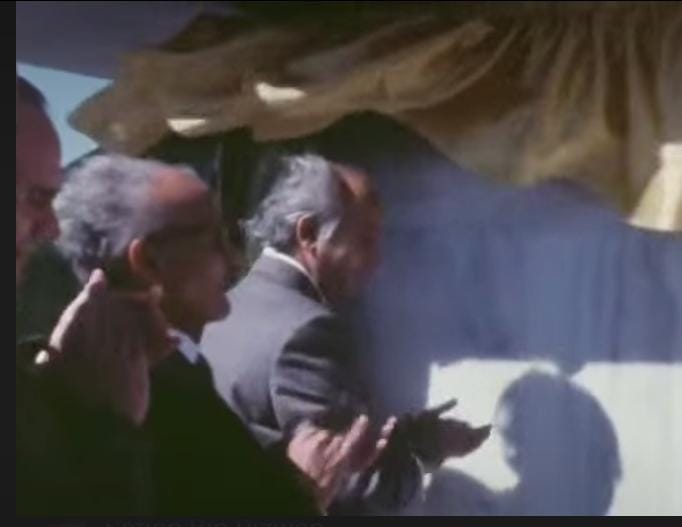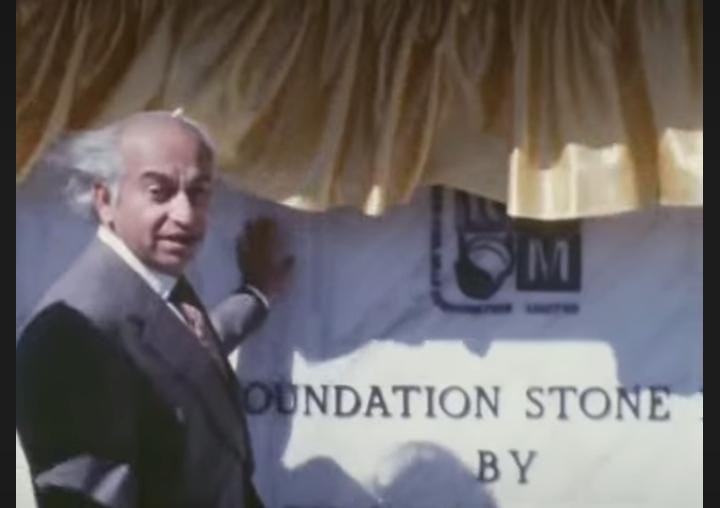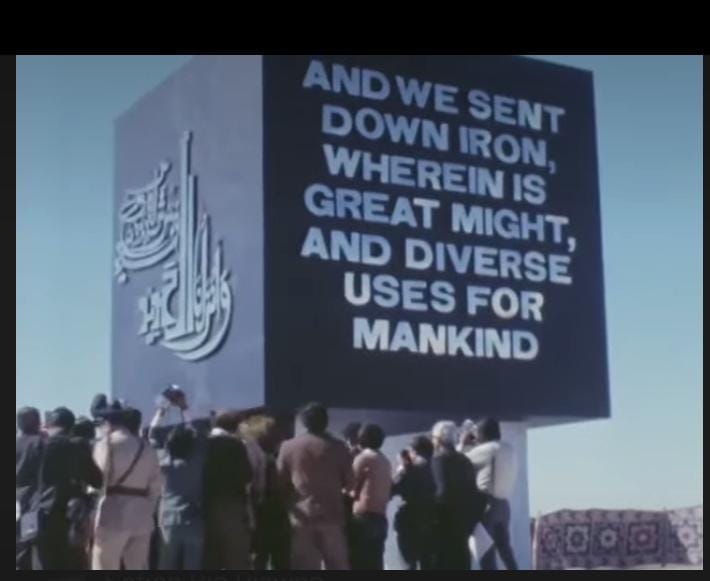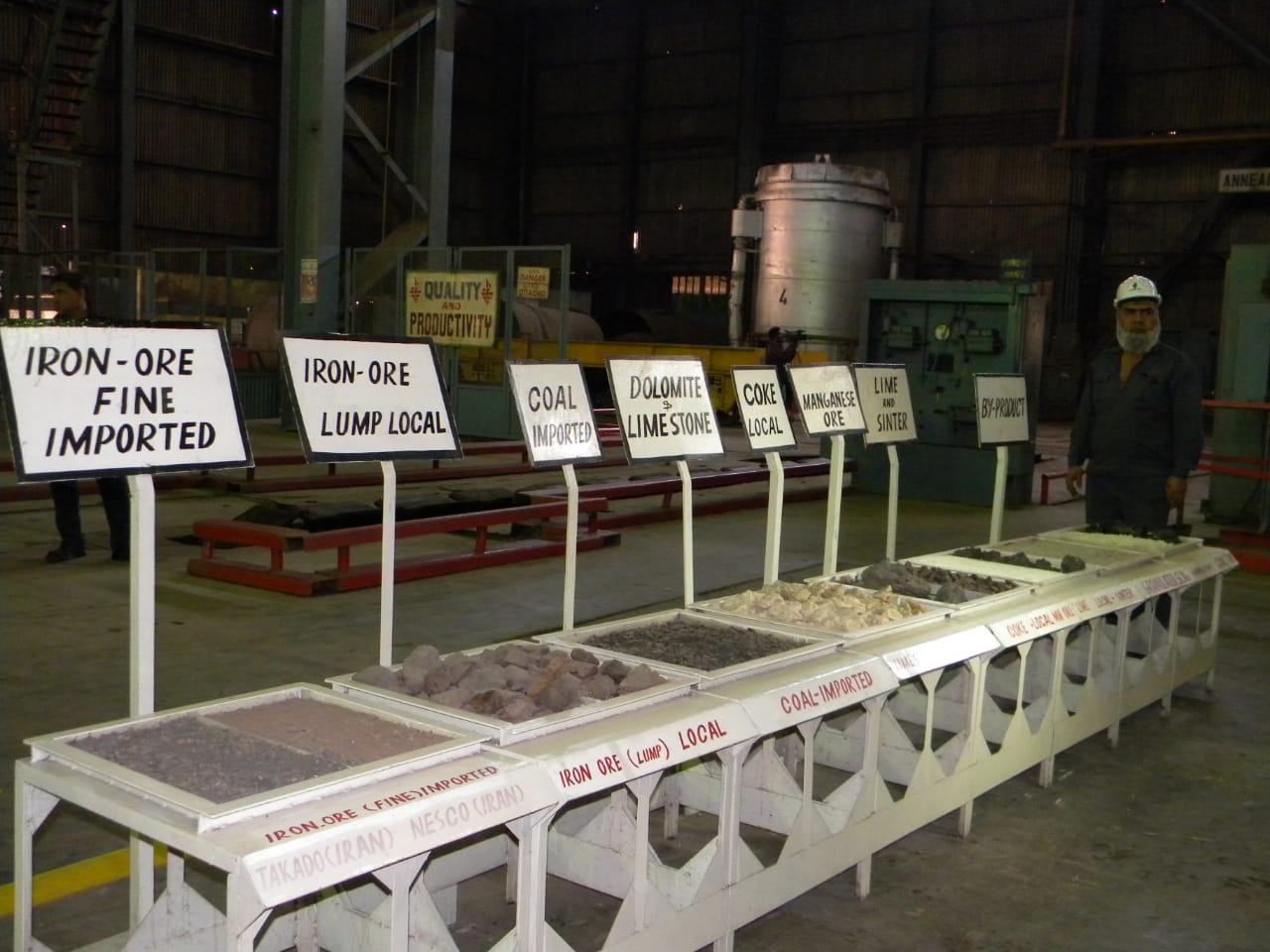
As we sit here, thousands of miles away from Pakistan Steel Mill, our hearts still swell with nostalgia and pride. We are the former employees who bid a bittersweet farewell to our beloved workplace at Pakistan Steel. Pakistan Steel was more than just an industrial giant—it was a key institution that set remarkable examples in various fields. It was the country’s largest industrial concern, completed in record time and with remarkable efficiency. Alongside Pakistan Steel, a deep sense of national pride and corporate culture emerged, binding thousands of employees into a unified family. Over the decades, this bond grew so strong that, despite the collapse of Pakistan Steel, the spirit of unity has endured. Pakistan Steel Ex-Employees Association of North America (PAKSEANA) was established in 2007 to preserve those bonds and create a space for new memories with old friends.
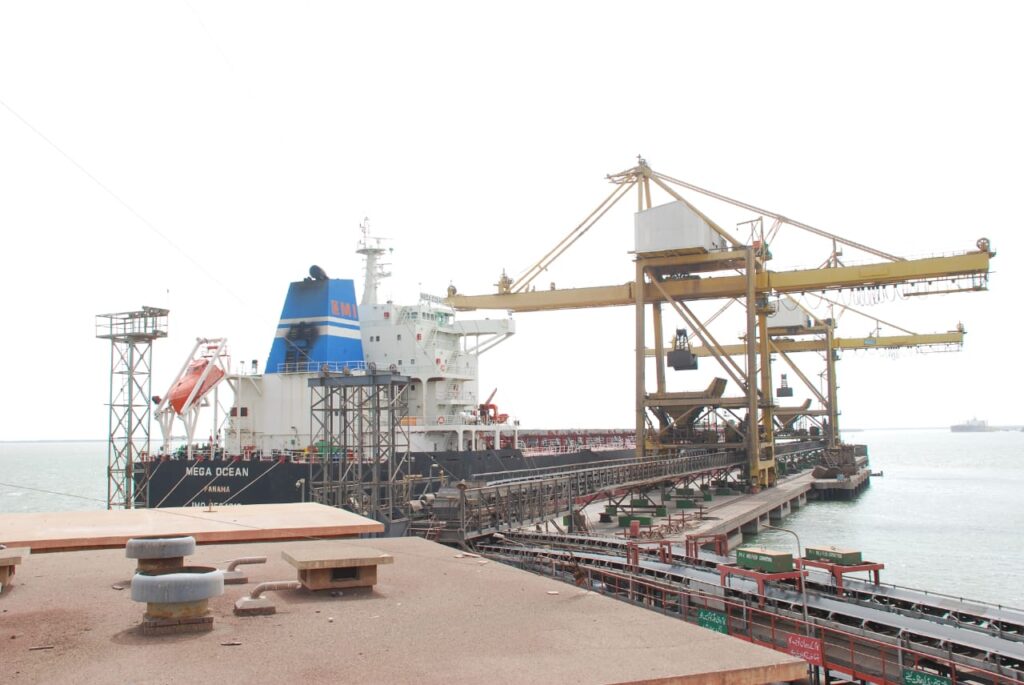
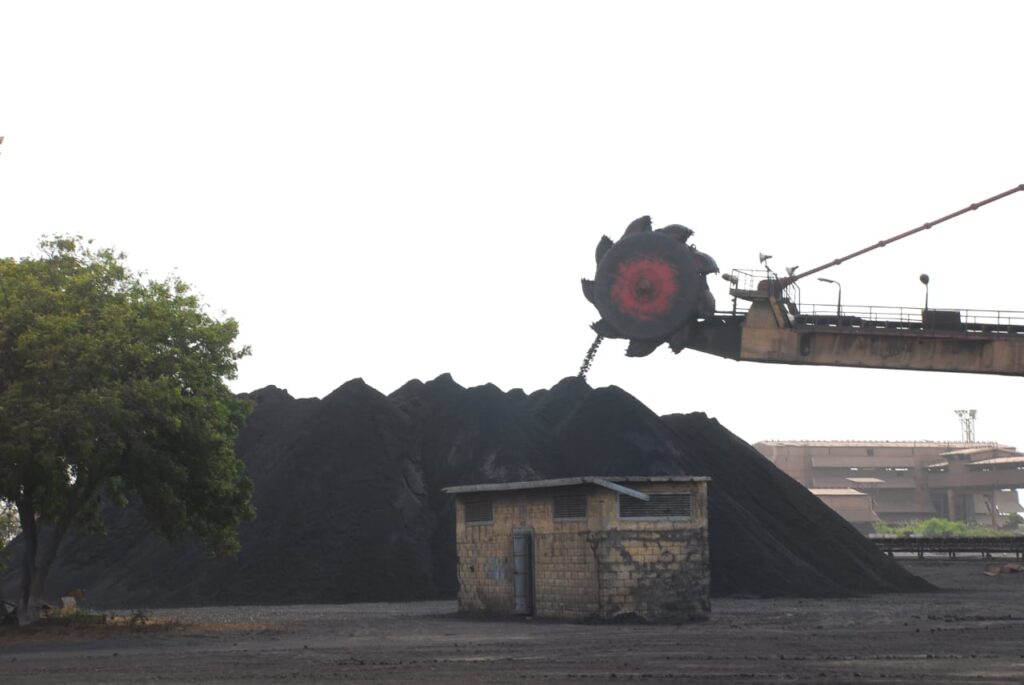
For many of us, Pakistan Steel was more than just a workplace – it was a second home, a community, and a family. We worked tirelessly to build a steel industry that would make our nation proud, and we formed unbreakable bonds along the way. PAKSEANA is managed by a management committee which is made of a voluntary group of members chosen via election every few years. Since its foundation, PAKISTAN has worked to support its members in various ways: general support with settling in North America, job searches, matrimonial searches, further education, and more. PAKSEANA also frequently organizes social events to bring its members together along with their families.
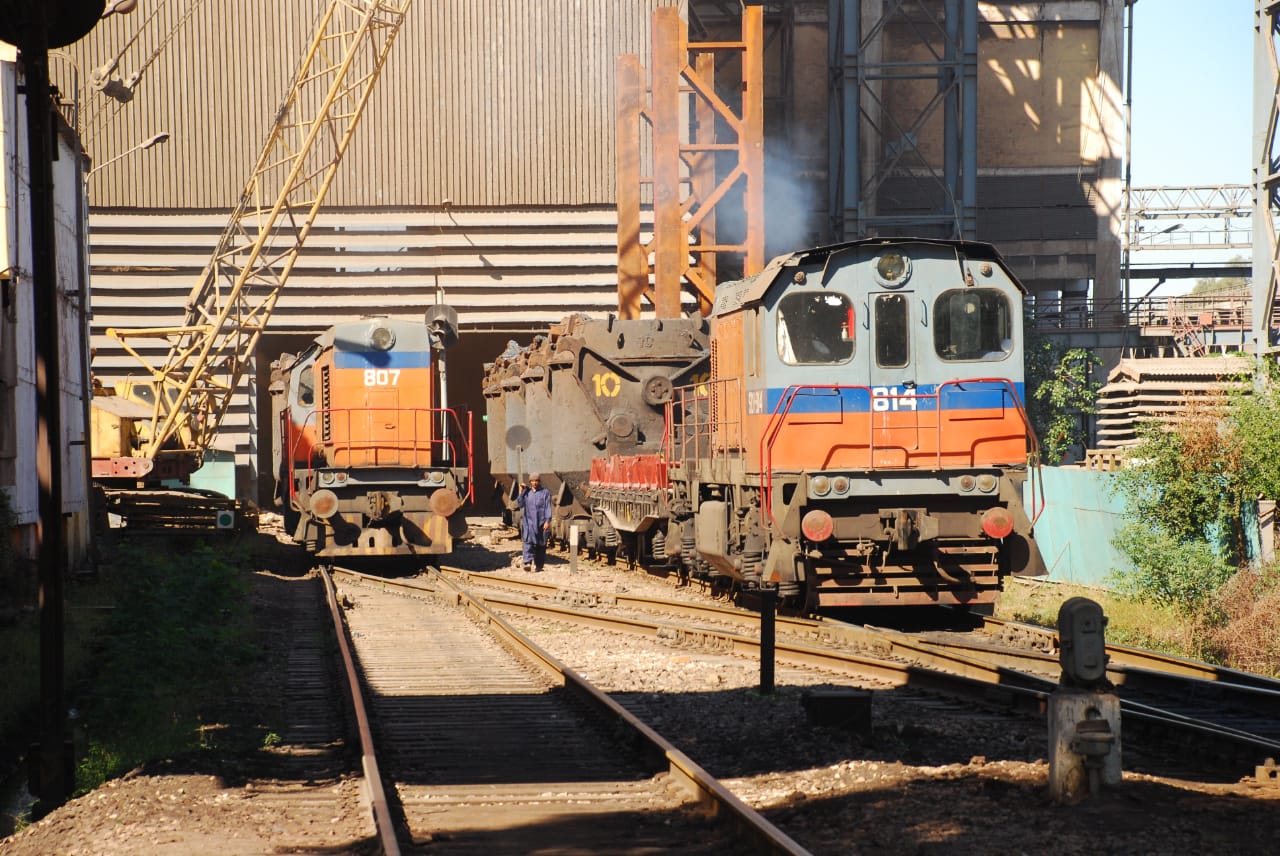
The Establishment of Pakistan Steel Mills (PSM):
After independence in 1947, it did not take long for Pakistan to come to the realisation that progressive industrial and economical development would be impossible without the possession of a self-reliant iron and steel making plant. Pakistan had inherited only five percent of the industry, while the remaining 95 percent, including four steel mills, remained in India. The dependence on imports would cause serious setbacks to the country along with an extortionately high import bill which would be impossible to support.
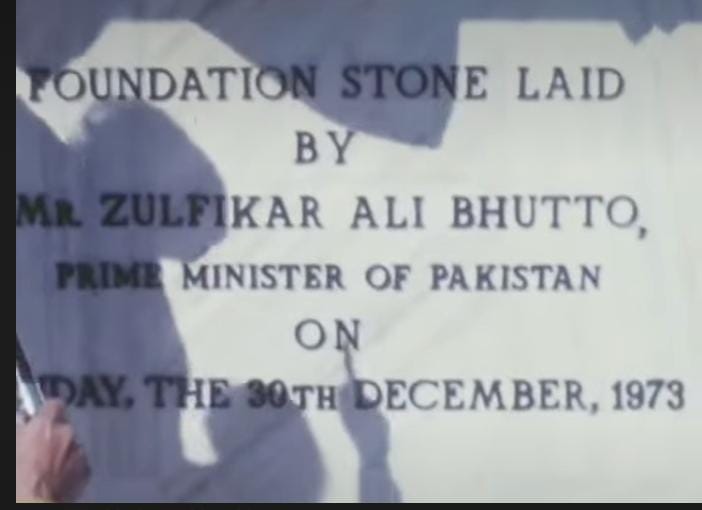
On the 2nd of July, 1968 Pakistan Steel was set up as a private limited company in the public sector in accordance with the Companies Act of 1913, with the objective to establish and run steel mills at Karachi and other places in Pakistan. In January 1969, PSM concluded an agreement with V/O Tiajproexport of the then USSR for the preparation of a feasibility report into the establishment of a steel mill at Karachi. Subsequently in January, 1971 Pakistan and the USSR signed an agreement under which the latter agreed to provide techno-financial assistance for the construction of a coastal based integrated steel mill at Karachi.
The mill was designed to produce 1.1 million tons of steel per year, making it one of the largest industrial complexes in Pakistan. At its peak, the mill employed over 19,000 dedicated workers, making it one of the largest employers in the country.
Pakistan Steel played a crucial role in providing steel for Pakistan’s infrastructure projects, defence industries, and other manufacturing sectors. It was seen as a symbol of industrial progress and self-reliance, offering employment to thousands of workers and spurring the growth of downstream industries.
The steel produced by PSM was used in major projects, including the construction of bridges, railways, roads, and other essential infrastructure. It also supported Pakistan’s automobile, defence, and heavy engineering sectors. One of its greatest achievements was the creation of a vast pool of trained manpower, strengthening the nation’s industrial capabilities.
Pakistan Steel, as a foundational industry, was expected to play a crucial role in the development of the engineering sector, which forms the backbone of the country’s financial growth. The first phase of production, with an annual capacity of 1.1 million tons, was completed in 1985 at a cost of Rs. 25 billion. To achieve economic viability, it required economies of scale through the installation of an additional blast furnace the following year, increasing its capacity to 2.2 million tons per year. However, this expansion could not materialize as Pakistan had entered a war in Afghanistan against Russia which had not only established a steel plant in Pakistan but had also transferred steel technology to the country.
Although the war ended in 1989, relations between Pakistan and Russia deteriorated, preventing the completion of Pakistan Steel as an economically viable project. As a result, suffering from persistent losses it was left to struggle for its survival with an inherited burden of Rs. 11 billion loan borrowed during construction. According to initial plans the loan had to be converted into equity upon operation instead it had been made a liability. The compound interest on it had surged to Rs. 19 billion by 2000.
However, at that time, the high demand for steel in China for the construction of the world’s largest dam triggered a sharp rise in steel prices internationally, soaring up to five times their previous rates. Pakistan Steel benefited immensely from this surge, earning substantial profits and clearing nearly all of its liabilities. Unfortunately, this boom was temporary and, as raw material prices followed the high prices of the products, Pakistan Steel eventually entered into a phase of significant losses of billions.
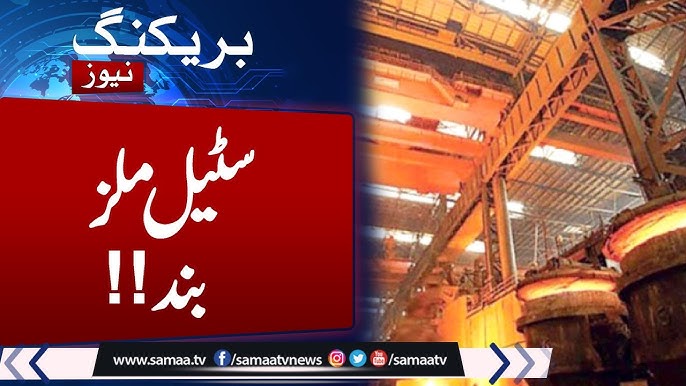
An economic downturn was inevitable without an increase in production capacity and Pakistan Steel ultimately met its fate. On July 4, 2023, the Government of Pakistan announced that it decided to shut down the Steel Mills as there was no available buyer due to the heavy losses it had been incurring for years. Pakistan Steel was established via political will and its revival now depends on, both, political wisdom and continued determination.